
Anxiety in children is more common than many people realize. In fact, anxiety disorders are one of the most commonly diagnosed mental health issues in children. Despite its prevalence, parents don’t always know what signs to look for, as child anxiety doesn’t always appear the way you’d expect. Sometimes, anxiety comes out through clinginess, irritability, or stomachaches. Other times, children display difficulty concentrating, avoidance, or an excessive need for reassurance. Regardless of the presentation, your child’s anxiety is real, and it is treatable.
At Positive Development Psychology, we believe in a developmentally informed approach to treating child anxiety that is backed by research. We build on what is going well and provide tools to children and caregivers that allow young people to develop the emotional resources that enable them to feel safe, capable, and more in charge.
Recognizing Anxiety in Children
Child anxiety can differ from adult anxiety. Children often don’t have the ability to understand their anxiety and they may express it differently. Instead of telling you how they feel, children may display their anxiety in the following ways:
-
- Avoiding school or taking part in other activities
-
- Trouble falling asleep or staying asleep
-
- Irritability, meltdowns, or difficulty calming down
-
- Frequent stomachaches or headaches without a clear cause
-
- Perfectionism, clinginess, or fear of failure or making mistakes
Whether your child is newly anxious or has been struggling for a while, support can make a big difference.
4 Natural Approaches to Support Anxiety Treatment in Children
Cognitive Behavior Therapy (CBT) has a strong evidence base in the treatment of anxiety disorders. However, in most families, there may also be minor, natural lifestyle adjustments or modifications to the home environment that can help support the child’s anxiety treatment. These are not alternatives to therapy when it is needed, but they are powerful forces that can reduce stress and build resiliency at home.
1. Validate Feelings
If your child is expressing anxiety, validate their feelings. Validation doesn’t necessarily mean that you agree with what your child is feeling (or the accompanying behaviors!), it just means that you are acknowledging that your child is experiencing emotional distress. In addition to acknowledging your child’s feelings, you should communicate confidence in their ability to cope. For example sending a message like, “I see that you’re worried and that this is difficult for you and I know that you can handle it.”
2. Get Outside
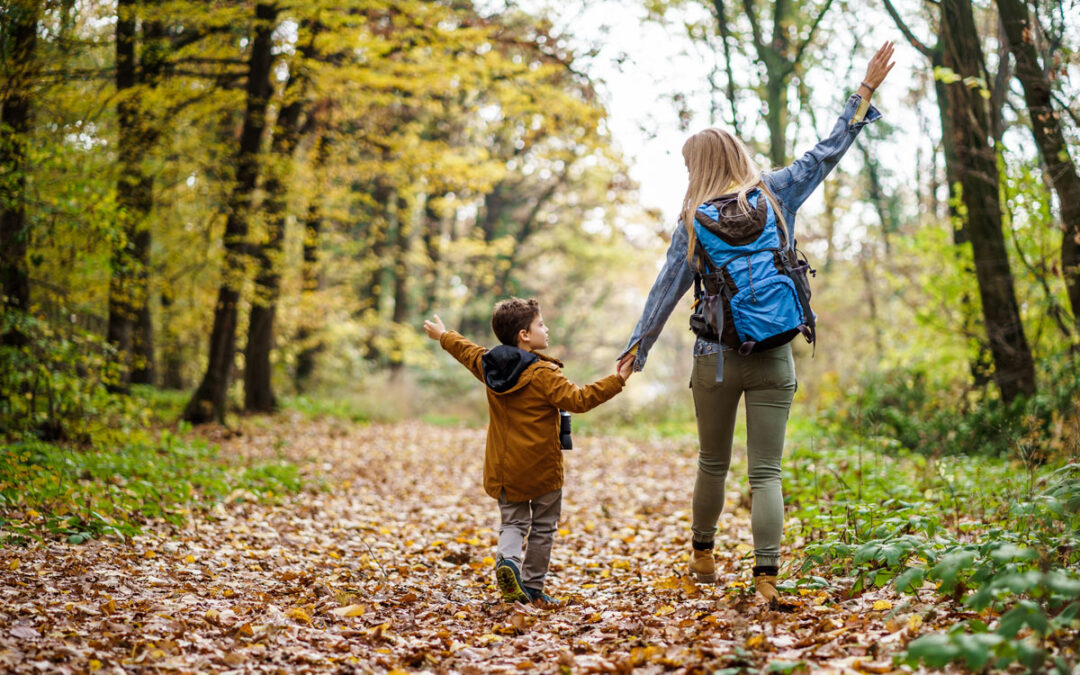
Being outside and in nature, even for a brief walk or playtime in the backyard, can improve mood, promote emotional well-being and reduce stress. Outdoor exposure gives children an opportunity to reboot, get their bodies moving, and breathe some fresh air. Children also benefit from opportunities for unstructured play and to engage in activities that stimulate their senses in new environments.
3. Keep a Gentle Routine and Plan Ahead
While the goal is not to eliminate anxiety, but to help children cope, we can help families create calmer daily rhythms – whether that’s ironing out the morning routine or making bedtime feel less stressful. We’ll collaborate with you to:
-
- Simplify transitions
-
- Define clear expectations
-
- Carry through with warmth and consistency
It’s also helpful to support children in thinking things through for situations that don’t go as planned. For example, a child might be worried that someone won’t be there to pick them up at school. Help your child to problem solve what they would do – whether that’s waiting with a teacher, calling home, or getting a ride with a classmate. Tiny steps to prepare and problem solve can make a huge difference in how confident your child feels.
4. Minimize the Waiting Period
When children feel anxious, the anticipation beforehand is often the most difficult time. If your child is nervous about something, such as an upcoming medical appointment, talking about it too soon might leave your child feeling more on edge. Give your child enough time to prepare, but not too much, to avoid excessive rumination.
And if these strategies are in place and your child is still struggling? That’s a sign to reach out. There’s no shame in needing extra support.
When Natural Strategies Aren’t Enough
These gentle strategies can help kids feel more at ease, but often, anxiety still lingers. If anxiety is interfering with your child’s sleep, school performance, friendships, or other aspects of their day-to-day functioning, it’s likely time to bring in some extra support.
That’s where we come in.
What Therapy Feels Like at PDP
At Positive Development Psychology, we offer therapy that feels warm, practical, and tailored to each family’s unique needs. It’s child-first, supportive, and grounded in both connection and science.
We Use Approaches That Make Sense for Kids
Everything we do is rooted in research and tailored to your child’s developmental needs. Many of our techniques are based in Cognitive Behavior Therapy (CBT), an approach that has been extensively researched and has proven to be an effective treatment for anxiety. Therapy may entail supporting your child to:
-
- identify, evaluate, and modify inaccurate or unhelpful thoughts
-
- practice mindfulness and relaxation strategies
-
- problem-solve challenges that arise
-
- change unhelpful behavioral patterns
-
- gradually face feared situations
Therapy Without Pressure: Support for Parents
Sometimes the best support happens when your child is outside of the therapy room. If your child isn’t ready for therapy, or if anxiety or other challenging behaviors are showing up mostly at home, we can work directly with you through parent-based interventions, such as:
-
- SPACE (Supportive Parenting for Anxious Childhood Emotions): A parent-based approach that helps parents change their responses to child anxiety which, in turn, reduces a child’s anxiety-driven behaviors while increasing confidence and independence.
-
- Behavioral Parent Training: Provides families with tools to manage challenging behaviors, cope with outbursts, increase positive attention for desirable behaviors, set limits, establish routines, and strengthen the parent-child relationship.
Getting Support That Fits Your Family
You don’t have to wait for a certain moment or a specific reason to reach out for help. Sometimes, families come to us because things just feel harder than they should, or because they want to better understand what their child is experiencing.
Therapy doesn’t have to mean something is “wrong.” It’s simply a space for growth, reflection, and learning new tools, both for kids and for parents.
Starting Anxiety Treatment
At Positive Development Psychology, we help kids feel less stressed and more understood. Our approach is warm, developmentally appropriate, and designed to support both children and the families who love them. If you’re ready to take the next step, reach out. We’d love to connect.